
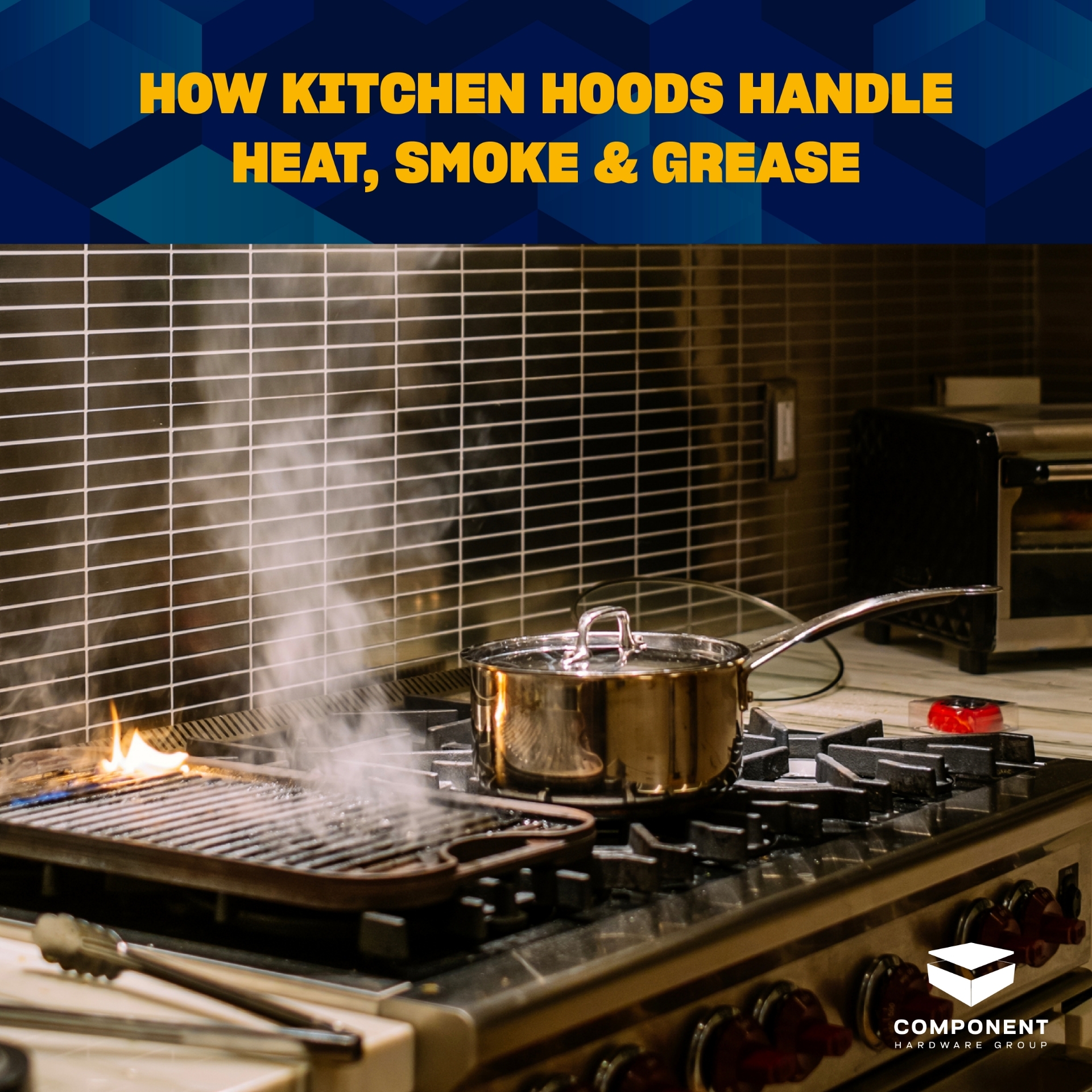
In a commercial kitchen, heat, smoke, and grease are more than just byproducts; they’re ongoing operational threats. Without proper ventilation, these elements can disrupt workflow, compromise food quality, and put staff safety at risk. That's where commercial kitchen hoods come in.
Well-designed kitchen hoods do more than exhaust air. They manage the delicate balance of airflow, pressure, filtration, and fire safety to maintain a clean and functional environment. Whether you operate a high-volume restaurant or an institutional kitchen, understanding how your ventilation system works—and how to choose the right one—can make all the difference.
Let's take a closer look at how commercial kitchen hoods protect your people, your performance, and your bottom line.
Why Ventilation Is Critical in Commercial Kitchens
In fast-paced cooking environments, commercial appliances generate a constant stream of heat, steam, smoke, and grease-laden vapors. If these aren’t properly captured and filtered, they:
- Accumulate on surfaces, creating fire hazards
- Reduce visibility and increase the chance of accidents
- Compromise HVAC performance by throwing off the temperature balance
- Create odors that migrate into dining areas
- Expose staff to respiratory risks from airborne particulates
Commercial kitchen hoods are designed to capture and remove these pollutants before they cause trouble — keeping the space safer and more efficient for everyone.
Understanding the Enemies: Heat, Smoke & Grease
To understand the role of kitchen hoods, it helps to break down the three key byproducts they're designed to handle:
1. Heat
Excess heat affects both kitchen comfort and equipment performance. Proper hood design helps exhaust hot air from above cooking surfaces, reducing the strain on HVAC systems and maintaining a manageable work environment.
2. Smoke
Smoke carries odor and potential contaminants. If not vented properly, it can impact air quality and settle on kitchen surfaces. Hoods help guide smoke into the exhaust stream, often aided by makeup air systems that maintain balanced airflow.
3. Grease
Grease is the most dangerous of the three. Vaporized oils from frying, grilling, and sautéing rise into the air and can solidify on surfaces, including ductwork and fan components, creating significant fire risks. Effective grease filtration is crucial in preventing build-up and reducing the frequency of cleaning.
How Kitchen Hood Design Helps Control These Factors
Modern commercial kitchen hoods do more than sit above cooking equipment. Their effectiveness depends on three key factors:
1. Capture & Containment
Hoods must be large and properly positioned to create an effective capture area for rising vapors. Sloped designs help funnel air upward efficiently, while side panels or back splashes may help contain movement.
2. Airflow Management
Proper exhaust airflow must be balanced with makeup air, which is fresh air introduced to replace what’s removed. This maintains neutral air pressure, reduces HVAC strain, and prevents drafts from pulling contaminants into other spaces.
3. Grease Filtration
Integrated grease filters, such as baffle filters, trap airborne grease before it enters the ductwork. These filters must be regularly cleaned or replaced, and their design can significantly impact system performance.
Grease Filters: First Line of Fire Defense
Grease filters are the most critical fire-safety component of a hood system. They prevent flammable grease particles from entering the ductwork, where they could ignite.
Among the most effective are baffle-type filters, which force air to change direction sharply, causing grease to condense and fall into collection trays. These filters must meet strict performance requirements and be durable enough to withstand constant exposure to heat and oil.
Flame Gard: Supporting Safe and Efficient Ventilation
CHG's Flame Gard® brand is trusted across the foodservice industry for high-performance kitchen ventilation components. Flame Gard's line of grease filters, hood accessories, and custom assemblies is designed for real-world kitchen conditions — with benefits like:
- Heavy-duty construction for long-term reliability
- Efficient baffle design for maximum grease capture
- Easy cleaning with dishwasher-safe materials
- Consistent airflow control to support HVAC balance
- Customization options to match your hood system and cooking line
When paired with a well-designed hood and proper airflow management, Flame Gard components help create a system that's compliant and built for performance and safety.
Final Thoughts: Invest in the Right Hood System
Your hood system is a critical piece of your kitchen's infrastructure. When properly designed and equipped, a commercial kitchen hood:
- Reduces fire risks
- Improves indoor air quality
- Protects HVAC performance
- Enhances staff comfort and safety
- Minimizes cleaning and maintenance needs
At CHG, we help kitchen operators, OEMs, and installers build better hood systems with durable, high-performance components. Our Flame Gard line combines years of industry expertise and engineering insight to support every cooking environment, from fast-food chains to institutional kitchens.
Need help improving your kitchen ventilation setup?
Contact our team to learn how CHG components can enhance the safety, cleanliness, and efficiency of your system.


