
Search
USA Shop
    Menu Close
    RSS

    Blog posts tagged with 'canopy hood line'

    How The Right Ventilation and Hood Components Reduce Maintenance Headaches in Commercial Kitchens
    (0) How The Right Ventilation and Hood Components Reduce Maintenance Headaches in Commercial Kitchens

    In a commercial kitchen, ventilation usually gets attention only when something starts to slow down, wear out, or become harder to maintain.

    That is why hood-system component decisions matter more than they seem to at first. The hood itself may get most of the attention during design and installation, but long-term performance often comes down to the supporting parts behind it.

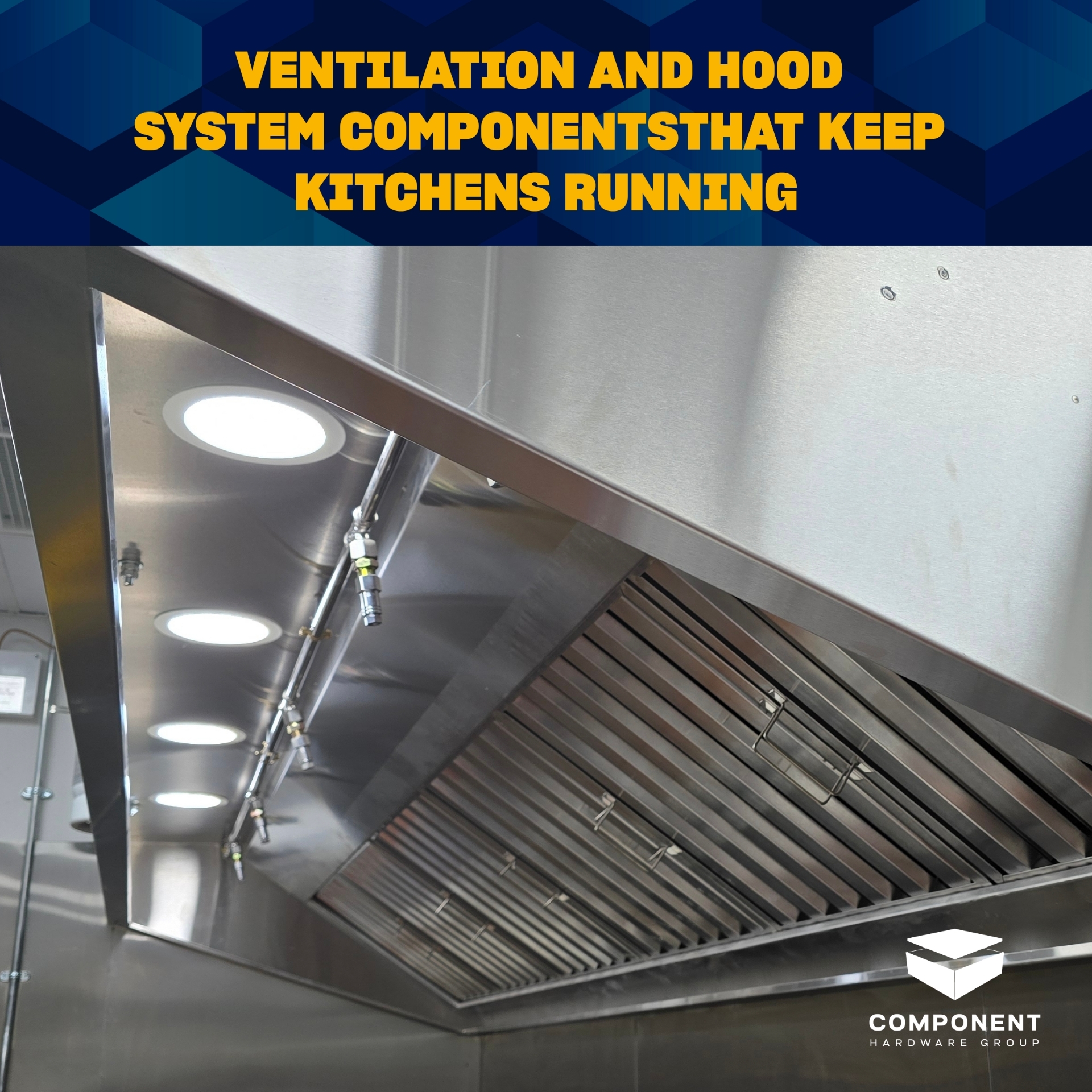
    Grease filters, access doors, and other hood-system accessories all influence how easy the system is to maintain, how smoothly it fits into day-to-day operations, and how well it holds up in a demanding kitchen environment.

     Why Supporting Components Matter After Installation

    A hood system can look complete at install and still create problems later.

    That is because ventilation performance is not just about having the main system in place. It is also about whether the supporting components make inspection, cleaning, and upkeep easier or harder once the kitchen is operating at full pace.

    In busy foodservice environments, those details quickly show up. If service access is awkward, components are harder to work around, or routine maintenance becomes more frustrating than it should, the impact is felt over time.

    That is why teams specifying hood systems should think beyond what works on day one and focus on what will continue working under real operating conditions.

    Supporting Components Shape Serviceability

    Some of the most important hood-system decisions are not the most visible ones.

    Access doors are a good example. They may not be the first thing specifiers focus on, but they matter when inspection and service are part of the equation. CHG’s canopy hood offering includes access doors and related accessories specifically for commercial cooking hood applications.  

    The same is true for grease filters. CHG’s Flame Gard and canopy hood line highlight multiple grease filter options within the hood category, including Type VI baffle grease filters.  

    These are not flashy components, but they are the kinds of parts that make the system feel more manageable once the kitchen is in use.

    What Teams Should Be Thinking About Earlier

    The best ventilation decisions usually happen before installation, while there is still room to evaluate the practical side of the system.

    That includes questions like:

    • Will inspection and service access be straightforward?
    • Are the selected components appropriate for the kitchen environment?
    • Will the system be easier to clean and maintain over time?
    • Are supporting parts being chosen early enough, or treated like late-stage add-ons?

    These are the kinds of decisions that can help prevent avoidable frustration later.

    Why This Matters in Demanding Kitchen Environments

    Commercial kitchens are high-use environments. Systems need to keep up with daily operation, ongoing cleaning, and routine maintenance without creating unnecessary obstacles for staff and service teams.

    That is why hood-system components deserve more attention than they often get. The supporting parts behind the system can have a lasting effect on usability, continuity, and maintenance access long after installation is complete.

    CHG’s current hood-system offering reflects that practical need. Its canopy hood category includes baffle grease filters, grease duct access doors, canopy hood accessories, and related exhaust components, while the Flame Gard line is positioned around commercial cooking hood applications.  

    If you are specifying hood systems for demanding commercial kitchens, do not wait until maintenance becomes harder than it should be. Talk to CHG about hood-system components that can help improve service access, day-to-day usability, and reduce downstream issues.